


2025 Employee Ownership Spotlight
Explore how four Iowa companies —Folience, Prairie Capital Advisors, Stellar Industries and HRTLND Companies—are building ownership cultures, creating opportunities for employees and planning for long-term success.


Folience - Cedar Rapids, IA
 What factors or events led your company to explore and ultimately choose the path of becoming an ESOP?
- The Gazette ESOP was originally formed in 1986 and became 100% employee-owned in 2012. The ESOP provided an ownership transition for the family while preserving the legacy of The Gazette brand and local media. Folience was established in 2017, shortly after The Gazette had sold KCRG TV-9. The Folience model was established to create a 100% employee-owned portfolio company where diversity of businesses, coupled with the power of employee-ownership, unites the common interests of employees with the interests of the company. The concept is to create value in long-term sustainable entities while using diversity to dampen the impacts of economic volatility.
How do you envision employee ownership contributing to the future of work in your industry and beyond?
- Today’s employees want something more in the workplace. The data shows people want more than a job. Employees want to feel part of something, a sense of belonging. Employee-ownership provides that opportunity for today’s workforce. I believe employee-ownership will continue to grow and the workforce desires for the sense of belonging grows. It is the perfect union of matching the wishes and desires of the workforce to those of the company, while providing financial well-being for both.
 What advice would you give to leadership teams about preparing employees for the shift to an employee-owned structure?
- Employee-ownership does not imply a great culture. Culture is still a reflection of leadership. Employee-ownership puts an arrow in the quiver that other companies do not have. It is a powerful tool to help explode engagement and align the interests of employees and the company. It is up to leadership to best utilize the ESOP advantage.
- Tom Pientok - President & CEO

Prairie Capital Advisors, Inc. - Cedar Rapids, IA
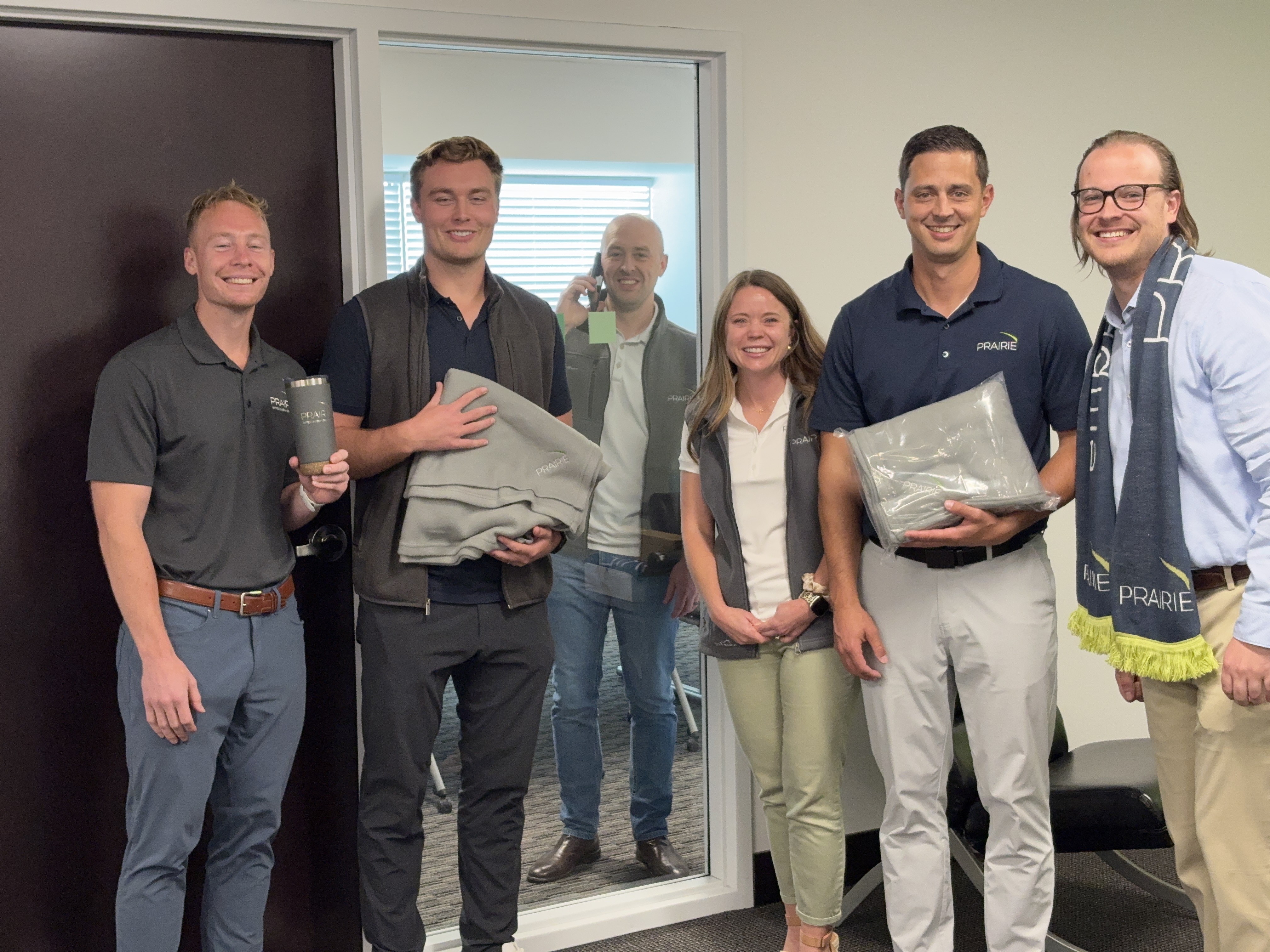 What factors or events led your company to explore and ultimately choose the path of becoming an ESOP? Prairie Capital Advisors’ co-founders, Ken Serwinski and Bob Gross knew the benefits of an ESOP due to the work that Prairie does every day. Once our firm was large enough, we transitioned to an ESOP structure in 2012.
What are the most noticeable changes you've experienced in your company’s culture, performance, or employee engagement since becoming employee-owned? We have an “we are all in this together” mentality. We have a strong culture and we make sure when we hire new staff that they meet our culture fit.
How do you envision employee ownership contributing to the future of work in your industry and beyond? We’ve seen some larger professional service firms adopt the ESOP structure in recent years. With the silver tsunami and many baby boomers retiring, employee ownership should be an alternative that business owners should be educated on. Prairie is trying to do that with our thought leadership resources.
What key lessons did you learn during your transition to employee ownership that other companies should know? Continuous education on the ESOP is needed.
What factors should companies carefully evaluate before deciding to become an ESOP or employee-owned business? Ensuring the company has a strong business model and a strong management team will help the company successfully transition to an ESOP.
What advice would you give to leadership teams about preparing employees for the shift to an employee-owned structure? Educate yourselves and talk to others that have gone through it.

Stellar - Garner, IA
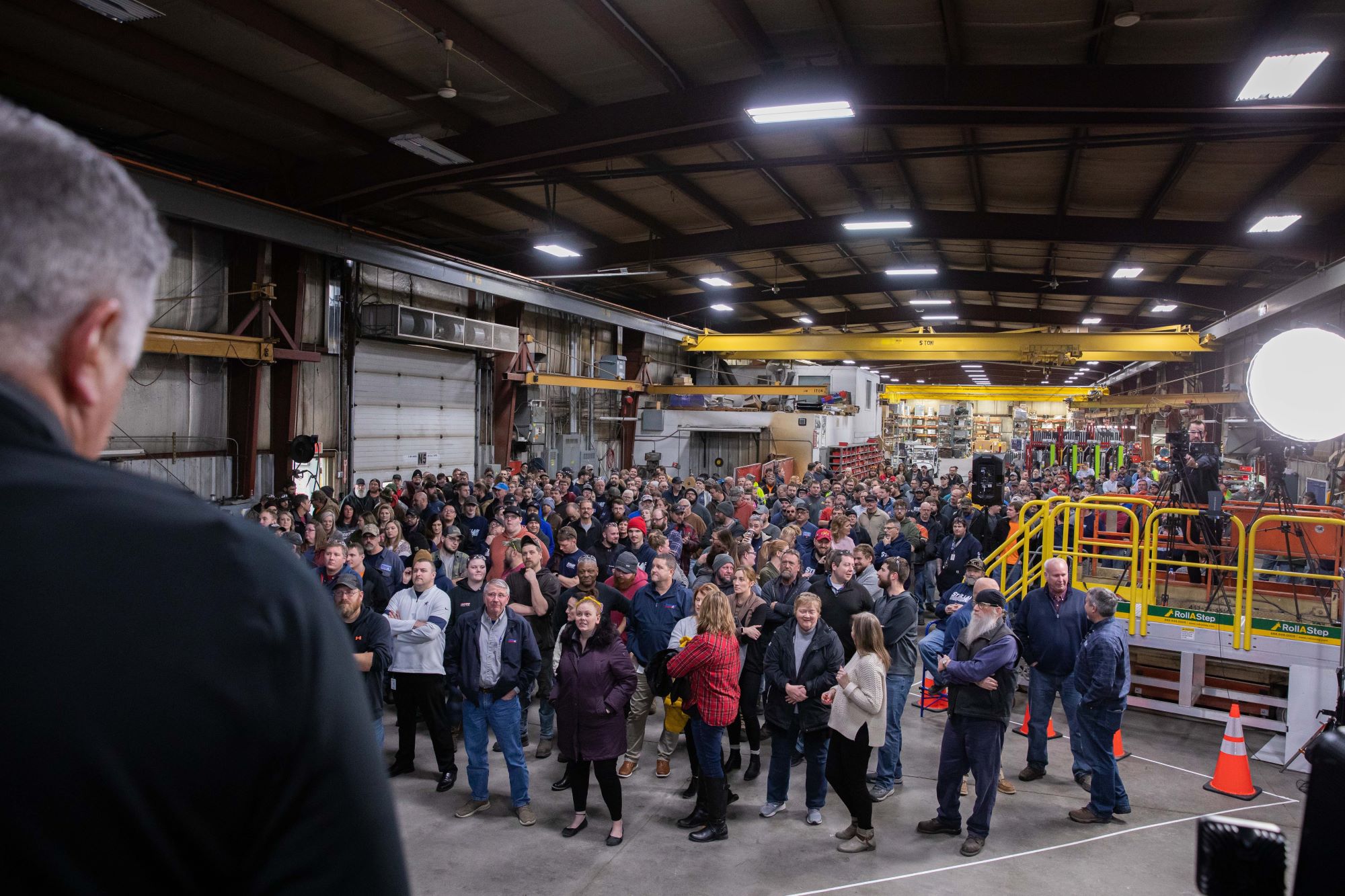 Being 100% employee-owned has fostered a culture of engagement at Stellar where each employee-owner is empowered to think and act like an owner because we are owners. The ownership mentality drives our team to be successful with each team member knowing they have the freedom to innovate to enhance productivity. Because of the open book management style that Stellar embraces, owners know how to win and what happens when we win – we are not making somebody else wealthy, as employee-owners we are giving ourselves the opportunity to build long-term wealth.
The most important thing to start fostering an ownership culture is clear and consistent communication along with continually educating new employee-owners on what it means to be an owner. Changing to an ownership culture will take time and persistence, often new owners will not see the value of the ESOP or ownership until they receive their first ESOP statement. Continually tie everything that you do in the business back to employee-ownership and empower your team to think and act like owners by giving them the freedom to help eliminate waste and cut costs in their own job. Make sure you celebrate those wins together and show the impact the wins made on your business goals. We would highly encourage you to attend an employee-ownership conference, the employee-ownership world is unlike any other in business and you will find many people who are willing to share ideas and help you on your ownership journey.

HRTLND Companies - Des Moines & Cedar Rapids, IA
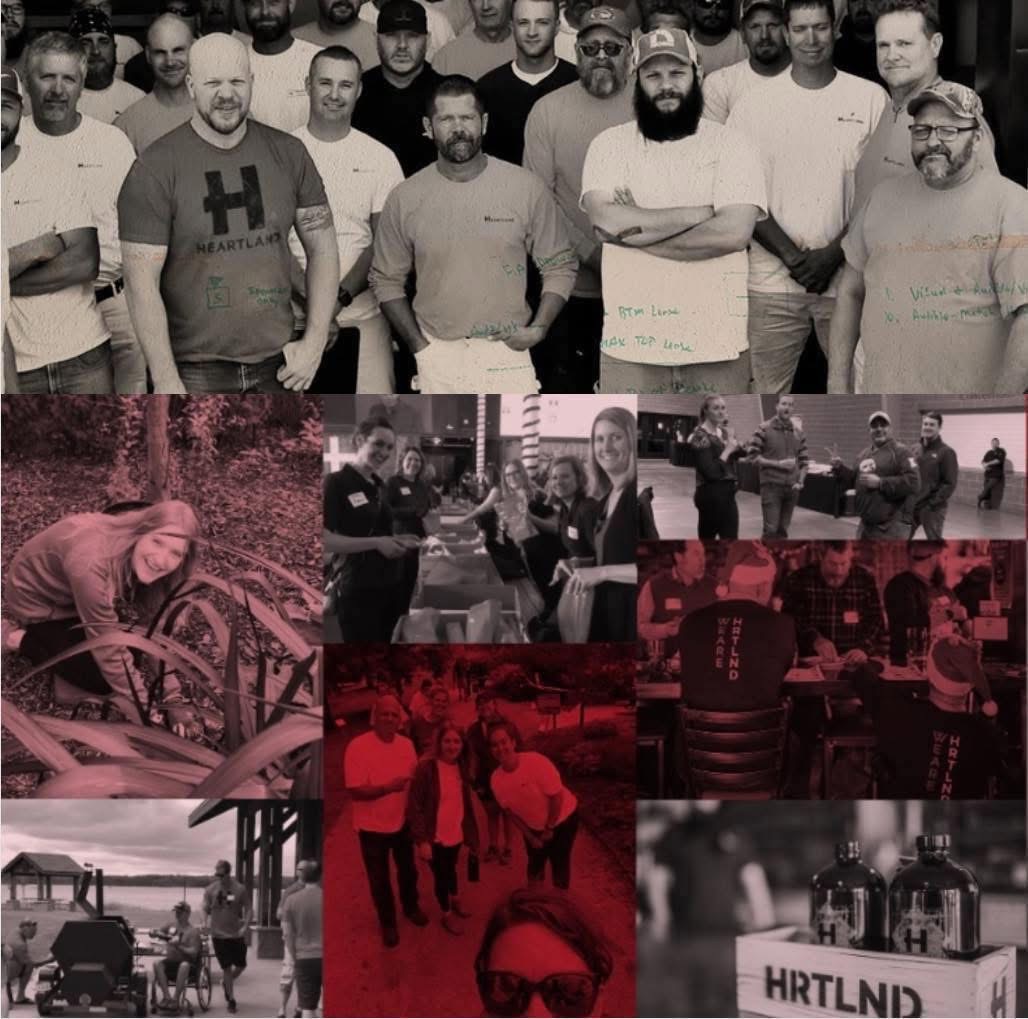
According to CEO Scott Bleich, HRTLND Companies chose to become an ESOP to preserve its core values, reward its team, ensure long-term stability, and create a purposeful succession plan that keeps the company rooted in Iowa and owned by the people who help build it every day.
We believe employee ownership will redefine the future of work in construction and beyond by creating a culture of accountability, pride, and shared success—where every team member is invested not just in doing the job, but in building the company.
Scott gives the following advice to leadership teams: to prepare employees for employee ownership, leadership must lead with transparency, educate consistently, and foster a culture where every team member understands their role as an owner in the company’s future.


At the IA-CEO, we believe the stories behind Iowa's employee-owned businesses are some of the most inspiring examples of resilience, innovation, and shared prosperity. Through Employee Stock Ownership Plans (ESOPs), worker cooperatives, Employee Ownership Trusts (EOT), and other forms of broad-based employee ownership, these companies have not only redefined business success but have also empowered their employees as true stakeholders.
On this page, you’ll find success stories of Iowa companies that have embraced employee ownership. These businesses represent a diverse range of industries and approaches, but they all share a common commitment to fostering a culture of ownership, collaboration, and long-term growth. Whether transitioning to employee ownership, managing a business as an ESOP, or becoming an engaged employee-owner, their journeys highlight the transformative power of employee ownership in shaping strong, sustainable companies.
Explore these stories to see firsthand how employee ownership is making a difference across Iowa and beyond.
Do you have a story to tell? Share it below.

